
How to use and evaluate “expressive fashion illustration portrait with mixed-media ink”
This portrait prompt is designed as an editable starting point, not a guaranteed one-click result. The notes below translate its JSON into a readable visual plan, identify the controls that matter, and show how to diagnose a weak generation without simply adding more text.
Prompt-specific blueprint
Scene and atmosphere
- Location
- A simple warm-gray backdrop with subtle paper or canvas texture, kept clean and uncluttered so the woman's face, flowing hair, and black clothing remain the main focus.
- Time
- Studio-like controlled portrait setting with no specific time of day.
- Mood
- Confident, slightly mysterious, effortlessly glamorous, sophisticated, modern, expressive, artistic, and high-fashion.
Visual treatment
- Photography
- A contemporary fashion illustration with expressive mixed-media portrait qualities, combining realistic feminine facial details with hand-painted brushwork, black ink accents, fine sketch-like lines, splattered paint elements, and energetic brush textures. Maintain realistic facial proportions, b…
- Camera
- Vertical 9:16 composition, close-up to medium portrait, centered framing, slightly low camera perspective, face positioned near the upper center, shoulders and black garment extending toward the lower frame, and flowing hair creating a dynamic silhouette around her face.
- Lighting
- Soft and flattering lighting with subtle highlights defining her face and shoulders and gentle shadows adding depth. Maintain realistic proportions, natural facial modeling, and a sophisticated high-fashion mood.
- Realism
- The final image must feel like a believable, high-end fashion illustration of the exact same real woman from the uploaded reference photograph, where realism meets raw artistic energy. Avoid any synthetic 3D, CGI, over-smoothed, or doll-like rendering.
Composition and wardrobe
- People Count Label
- one uploaded reference person
- People Count
- single
- Reference Instruction
- Use one uploaded reference person as the sole subject and authoritative identity source.
- Framing
- Vertical 9:16 composition, close-up to medium portrait, centered framing, with the face near the upper center and the shoulders and black garment extending toward the lower frame.
- Wardrobe · Garment
- A loose black off-the-shoulder garment naturally draped across her upper body. The fabric appears thick, dark, and slightly textured, with broad expressive brush-like strokes and irregular edges. One shoulder is prominently exposed, creating an elegant fashion-editorial silhouette.
- Wardrobe · Fit
- The garment should wrap naturally around her body without looking stiff or perfectly arranged. It must follow the reference-consistent body shape rather than reshaping it. Do not use the garment to artificially create a smaller waist, larger bust, larger hips, or a more sexualized silhouette.
Recommended workflow
- 01
Prepare the input
Choose reference images you have permission to use. For expressive fashion illustration portrait with mixed-media ink, prioritize a clear subject and avoid unrelated people or private details in the frame.
- 02
Lock the visual plan
Confirm subject count, framing, scene, and lighting before adding finishing language. Resolve conflicts such as close-up versus full-body composition.
- 03
Adapt for one model
Start with ChatGPT Image. Keep a baseline generation and document the exact model version, references, aspect ratio, and visible settings.
- 04
Revise from evidence
Name the visible failure, change one instruction block, and compare it against the baseline. Keep only revisions that improve the intended criterion.
Model adaptation notes
ChatGPT Image
Keep the JSON structure, attach references in the same conversation, and use follow-up edits for one local correction at a time.
Gemini
Provide the JSON with clearly labeled reference images. Restate any ignored constraint in plain language without duplicating the whole prompt.
A compatibility label means the visual intent can be adapted; it does not promise identical output across providers, versions, or settings.
Prompt-specific quality checklist
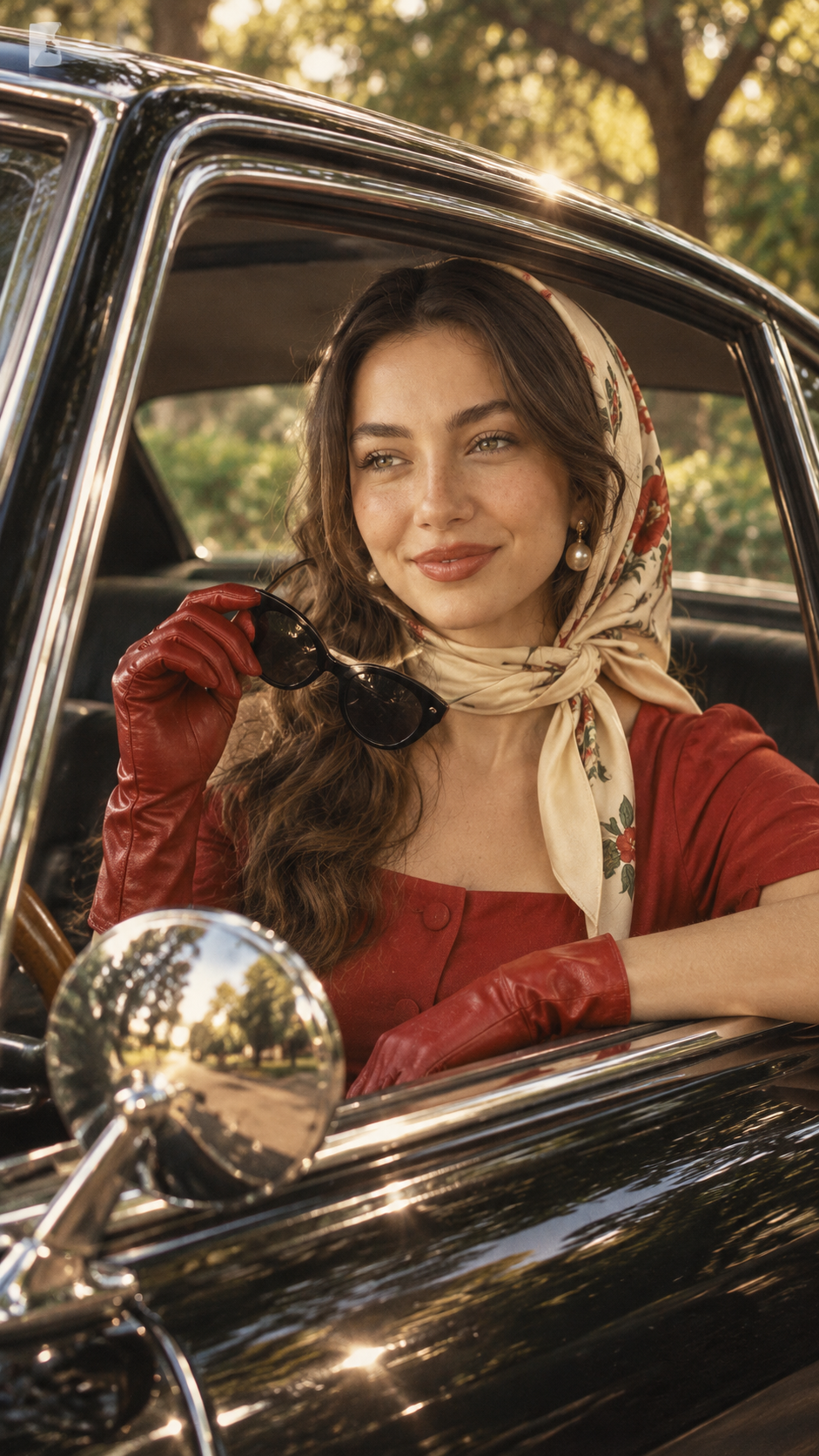
- Preserve the reference person's exact recognizable face and hair identity with extremely high fidelity.
- Keep the portrait realistic in facial anatomy and believable in detail, even though the overall treatment is expressive and illustrative.
- Her hair should appear thick, voluminous, and slightly messy, with clearly defined individual strands rather than a solid mass.
- Allow some fine strands of hair to cross the cheeks and lips to create a spontaneous wind-swept feeling.
- She should have well-defined dark eyebrows, long dramatic eyelashes, softly winged black eyeliner, expressive dark eyes, a naturally shaped nose, and full softly parted lips with subtle rosy-nude lipstick.
- Maintain realistic skin texture, gentle blush across the cheeks, and soft natural highlights on the forehead, nose, cheekbones, and lips.
- Do not let makeup beautify or alter the woman's real facial identity beyond the stylistic requirements of the portrait.
Failures to check before publishing
- identity drift
- different person
- generic replacement face
- altered facial anatomy
- beautified face
- idealized face
- rejuvenated appearance
Why the editable controls matter
Gender
Required identity direction for the reference subject.
People count
Default is a single uploaded reference person.
Lighting
Changes Prompt.Style.Lighting without requiring a full prompt rewrite.
Mood
Changes Prompt.Style.Mood without requiring a full prompt rewrite.
Outfit style
Changes Prompt.Outfit.Style without requiring a full prompt rewrite.
Color palette
Changes Prompt.Style.Color Mood without requiring a full prompt rewrite.
Identity or subject drift
Reduce competing style language, improve the reference, and separate stable traits from pose, gaze, and expression.
Composition breaks
Check whether crop, shot distance, aspect ratio, subject count, and required objects can all be satisfied in one frame.
Artificial lighting or texture
Name a motivated light source and believable material behavior before adding grain, grading, sharpness, or resolution terms.
 @cankirkgoz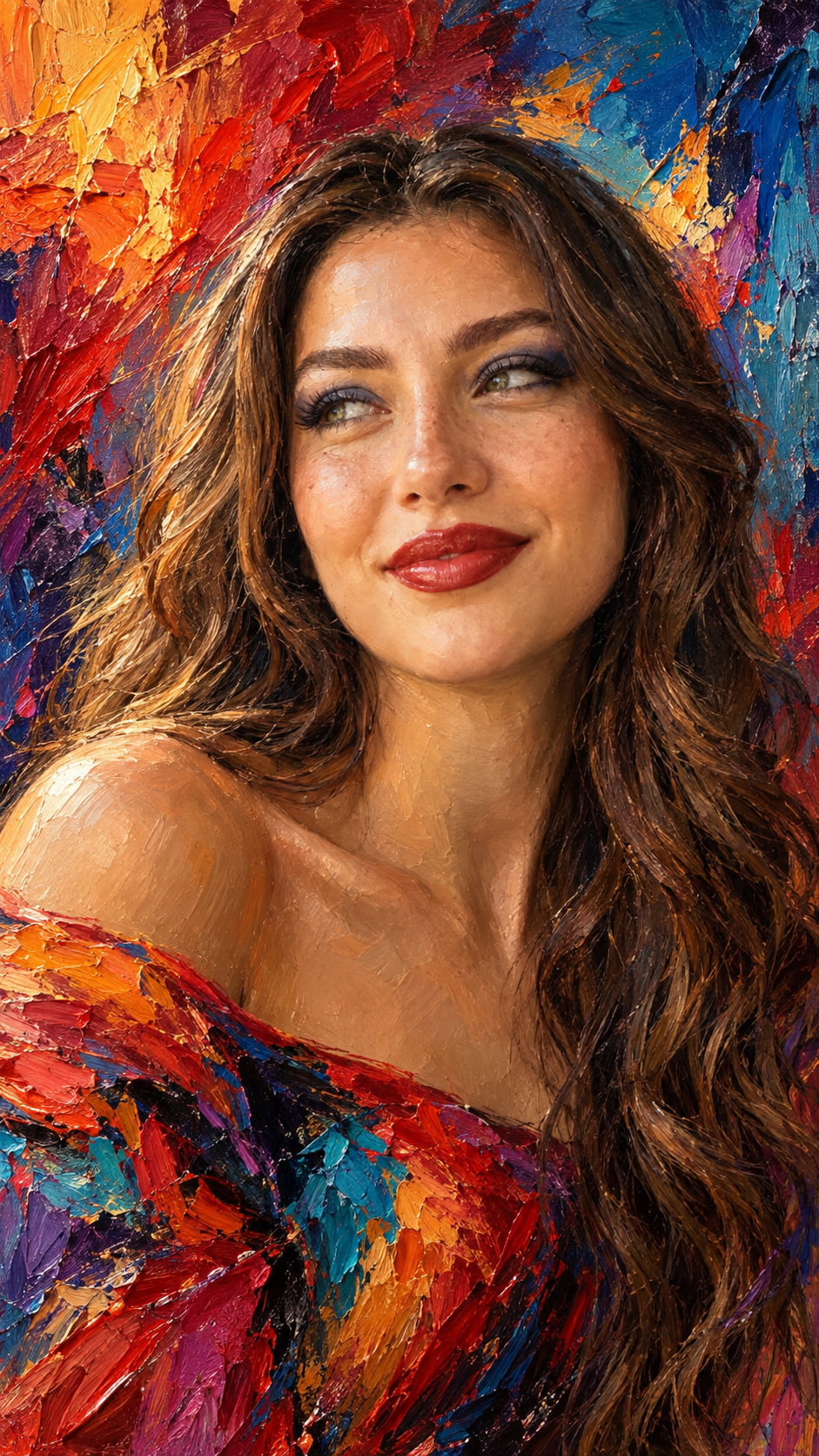
Comments
Share the result you got, attach an image, and reply to other people's results.
You need to sign in to comment.