How to use and evaluate “Minimalist Hand-Drawn Paper-Cover Editorial Portrait”
This editorial prompt is designed as an editable starting point, not a guaranteed one-click result. The notes below translate its JSON into a readable visual plan, identify the controls that matter, and show how to diagnose a weak generation without simply adding more text.
Prompt-specific blueprint
Scene and atmosphere
- Location
- Reinterpret the surrounding environment from the original photograph using only the minimum visual information required for recognition. The background should primarily resemble rough white paper, warm off-white paper, pale natural paper, or minimal editorial book-cover stock.
- Time
- Match the visual narrative and atmosphere implied by the original photograph without adding unnecessary environmental detail.
- Mood
- Minimal, refined, tactile, handmade, editorial, restrained, sophisticated, and immediately recognizable.
Visual treatment
- Photography
- Do not render as photography. Reinterpret the original photograph as a minimalist hand-drawn paper-cover illustration using delicate slightly imperfect lines, acrylic-style flat color shapes, rough paper texture, handmade brush marks, subtle pigment irregularity, organic edges, and restrained edi…
- Camera
- Preserve the essential composition, silhouette, pose, gesture, spatial relationship, and recognizable subject placement from the original photograph while simplifying unnecessary visual complexity. Do not rigidly reproduce photographic lens effects unless they are essential to the image’s recogni…
- Lighting
- Translate the dominant light-and-shadow relationships from the original photograph into simplified flat color masses, minimal tonal separations, and restrained handmade shading. Avoid realistic photographic lighting unless needed for basic recognition.
Composition and wardrobe
- People Count Label
- match the uploaded reference photograph
- People Count
- match the number of recognizable primary people in the reference
- Reference Instruction
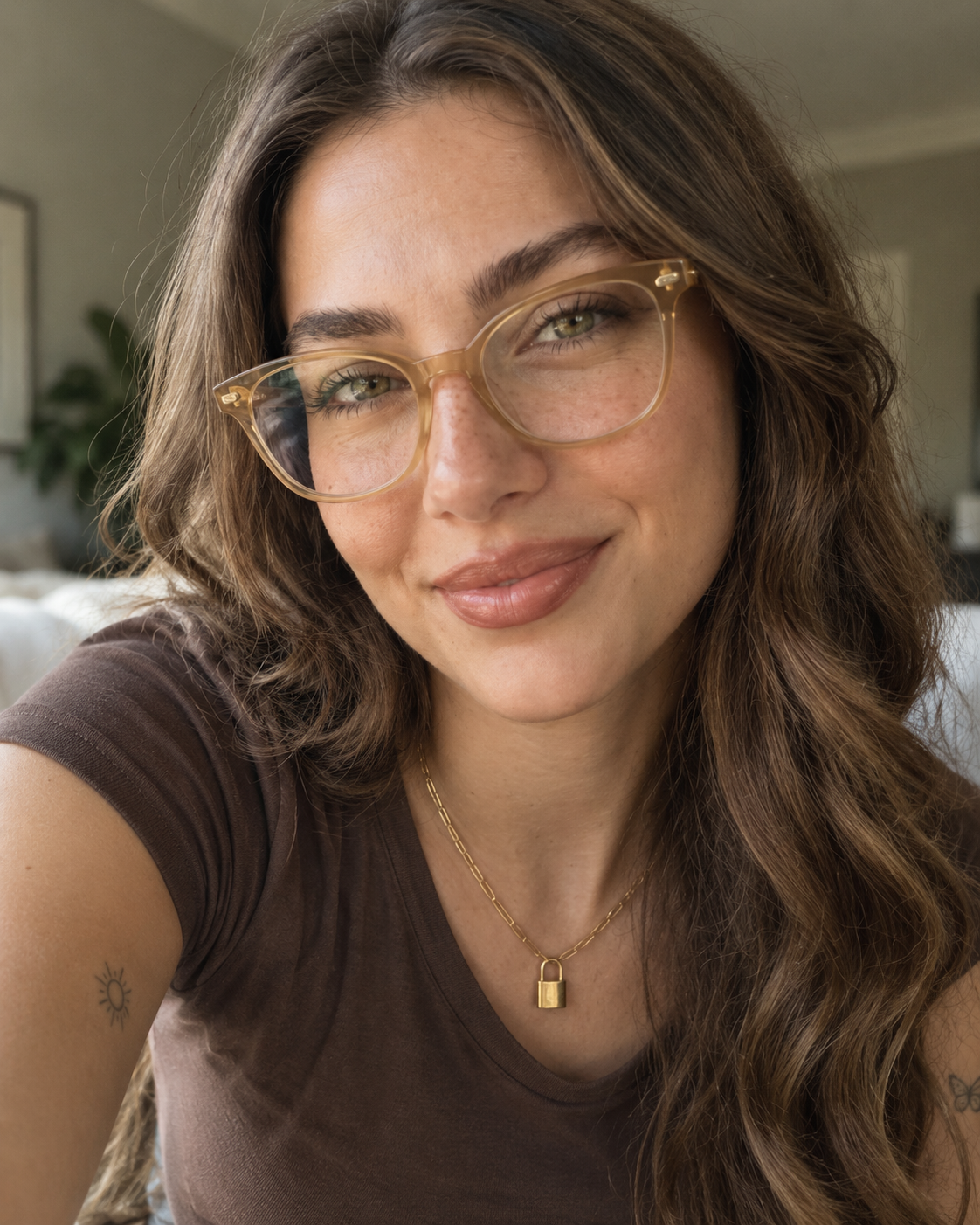
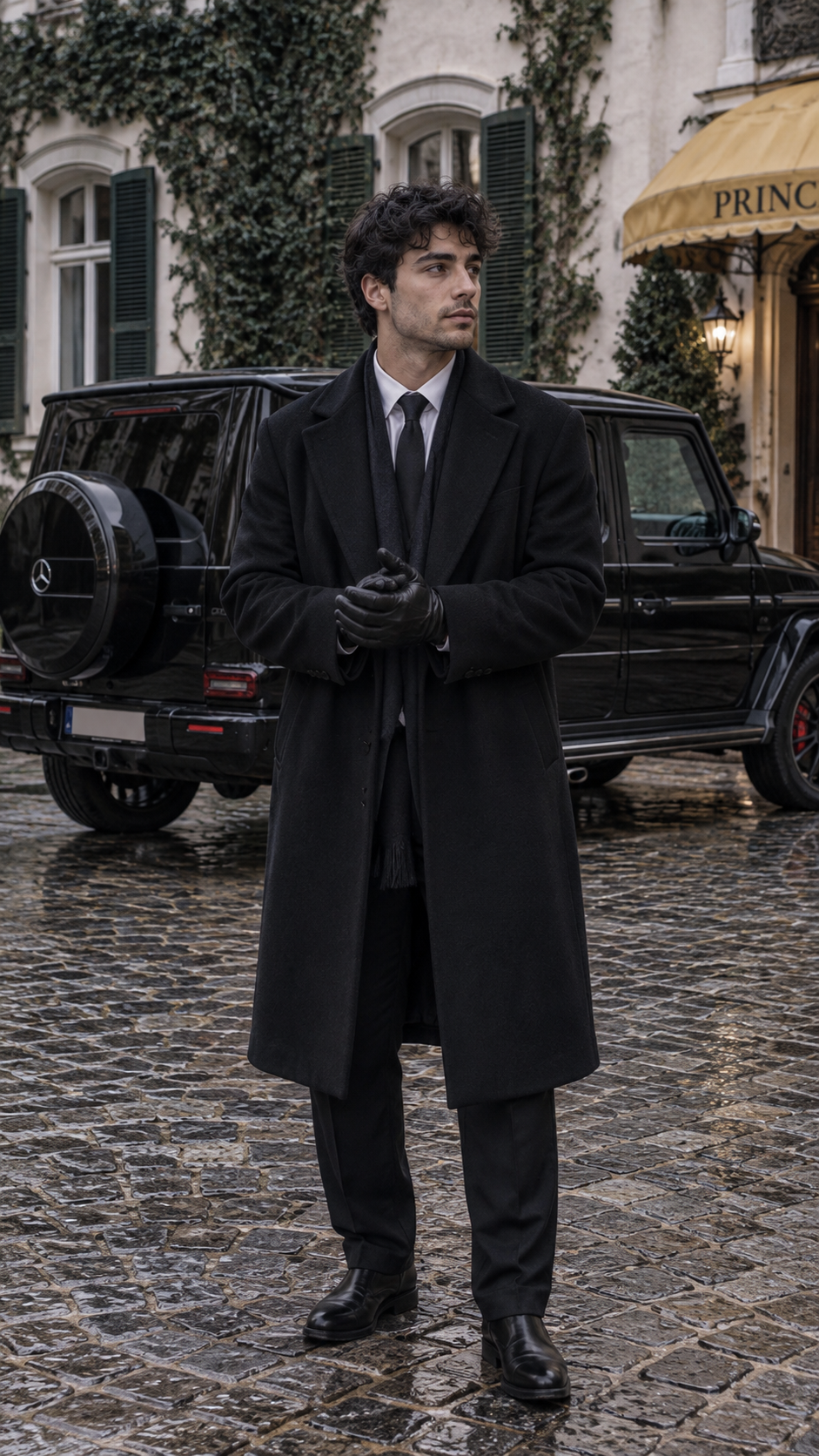
- Use the uploaded reference photograph as the primary visual and identity source. Preserve the most recognizable subject, essential silhouette and proportions, key pose or gesture, important objects, and the core narrative relationship between people and objects. Remove unnecessary detail and reta…
- Wardrobe · Hair
- Preserve the exact recognizable hair identity of the person from the uploaded reference photograph, including true hair length, density, texture, natural straight, wavy, or curly structure, hairline, parting character, and overall volume. Translate the hair into simplified hand-drawn forms and fl…
- Wardrobe · Clothing
- Preserve the most recognizable clothing silhouette, major garment shapes, and essential color relationships from the original photograph. Simplify folds, seams, textures, and small details unless they are necessary for immediate recognition.
- Wardrobe · Overall Styling
- Preserve the original person’s styling, silhouette, pose, and visual identity while translating all details into a restrained handmade illustration language. Do not make the subject more fashionable, attractive, youthful, thin, muscular, sexualized, or idealized than in the reference.
Recommended workflow
- 01
Prepare the input
Choose reference images you have permission to use. For Minimalist Hand-Drawn Paper-Cover Editorial Portrait, prioritize a clear subject and avoid unrelated people or private details in the frame.
- 02
Lock the visual plan
Confirm subject count, framing, scene, and lighting before adding finishing language. Resolve conflicts such as close-up versus full-body composition.
- 03
Adapt for one model
Start with ChatGPT Image. Keep a baseline generation and document the exact model version, references, aspect ratio, and visible settings.
- 04
Revise from evidence
Name the visible failure, change one instruction block, and compare it against the baseline. Keep only revisions that improve the intended criterion.
Model adaptation notes
ChatGPT Image
Keep the JSON structure, attach references in the same conversation, and use follow-up edits for one local correction at a time.
A compatibility label means the visual intent can be adapted; it does not promise identical output across providers, versions, or settings.
Prompt-specific quality checklist
- minimal hand-drawn paper-cover illustration
- immediate recognition of the original subject
- essential silhouette preserved
- essential body proportions preserved
- key pose or gesture preserved
- important objects preserved
- core narrative relationship preserved
Failures to check before publishing
- generic face
- identity drift
- altered facial anatomy
- beautified face
- younger-looking face
- artificial rejuvenation
- age reduction
Why the editable controls matter
Gender
Required identity direction for the reference subject.
People count
Default is a single uploaded reference person.
Identity or subject drift
Reduce competing style language, improve the reference, and separate stable traits from pose, gaze, and expression.
Composition breaks
Check whether crop, shot distance, aspect ratio, subject count, and required objects can all be satisfied in one frame.
Artificial lighting or texture
Name a motivated light source and believable material behavior before adding grain, grading, sharpness, or resolution terms.
 @cankirkgoz
Comments
Share the result you got, attach an image, and reply to other people's results.
You need to sign in to comment.