How to use and evaluate “late-1920s art deco gala full-body portrait”
This selfie prompt is designed as an editable starting point, not a guaranteed one-click result. The notes below translate its JSON into a readable visual plan, identify the controls that matter, and show how to diagnose a weak generation without simply adding more text.
Prompt-specific blueprint
Scene and atmosphere
- Location
- A lavish late-1920s Art Deco ballroom or upscale gala venue with elegant architecture, refined decor, and an authentic period atmosphere.
- Time
- Late-1920s gala evening
- Mood
- Luxurious, refined, glamorous, period-accurate, elegant, and cinematic
Visual treatment
- Photography
- Ultra-photorealistic, highly detailed, realistic editorial-style photography with authentic textures, materials, and lighting
- Camera
- Vertical 9:16 composition, full-body framing, natural perspective, realistic lens behavior
- Lighting
- Realistic upscale indoor gala lighting with natural light falloff, believable shadows, and consistent illumination across the face, hair, body, clothing, and background
Composition and wardrobe
- People Count Label
- one uploaded reference person
- People Count
- single
- Reference Instruction
- Use one uploaded reference person as the main subject. Create a full-body vertical 9:16 portrait of that exact same person in the requested gala setting. Preserve identity with maximum fidelity, but do not lock the result to the reference photo's exact pose, facial expression, head tilt, gaze dir…
- Wardrobe · Description
- Dress the person in a glamorous, historically accurate late-1920s Art Deco gala outfit suited to the person. If the styling is feminine, use an elegant beaded gown with a refined feather headpiece. If the styling is masculine, use a sharp 1920s tuxedo with appropriate Art Deco accessories. The ou…
- Wardrobe · Body Proportion Rule
- Preserve the person's natural body proportions exactly as they would realistically correspond to the reference. Do not intentionally make the body sexier, slimmer, more muscular, more curvy, or more idealized unless explicitly requested. If the person appears slim, keep them slim; if they appear…
Recommended workflow
- 01
Prepare the input
Choose reference images you have permission to use. For late-1920s art deco gala full-body portrait, prioritize a clear subject and avoid unrelated people or private details in the frame.
- 02
Lock the visual plan
Confirm subject count, framing, scene, and lighting before adding finishing language. Resolve conflicts such as close-up versus full-body composition.
- 03
Adapt for one model
Start with ChatGPT Image. Keep a baseline generation and document the exact model version, references, aspect ratio, and visible settings.
- 04
Revise from evidence
Name the visible failure, change one instruction block, and compare it against the baseline. Keep only revisions that improve the intended criterion.
Model adaptation notes
ChatGPT Image
Keep the JSON structure, attach references in the same conversation, and use follow-up edits for one local correction at a time.
Gemini
Provide the JSON with clearly labeled reference images. Restate any ignored constraint in plain language without duplicating the whole prompt.
A compatibility label means the visual intent can be adapted; it does not promise identical output across providers, versions, or settings.
Prompt-specific quality checklist
- The generated person must match the reference photo exactly in face, gender, age, skin tone, hairstyle, facial hair if present, and overall recognizable appearance.
- The face must look exactly like the reference person, including very small facial details, proportions, natural characteristics, and recognizable traits.
- The hair must also match the reference photo in overall appearance, color, texture, length, density, and style identity unless the requested scene explicitly requires a different period styling adaptation.
- If the original prompt requires a period-appropriate styling adjustment, keep the person's core hair identity recognizable while adapting it naturally to the scene.
- Ensure full anatomical consistency between the face, head, neck, hair, and body.
- The face must not look detached, composited, overly sharp compared to the body, or mismatched in lighting, perspective, or image quality.
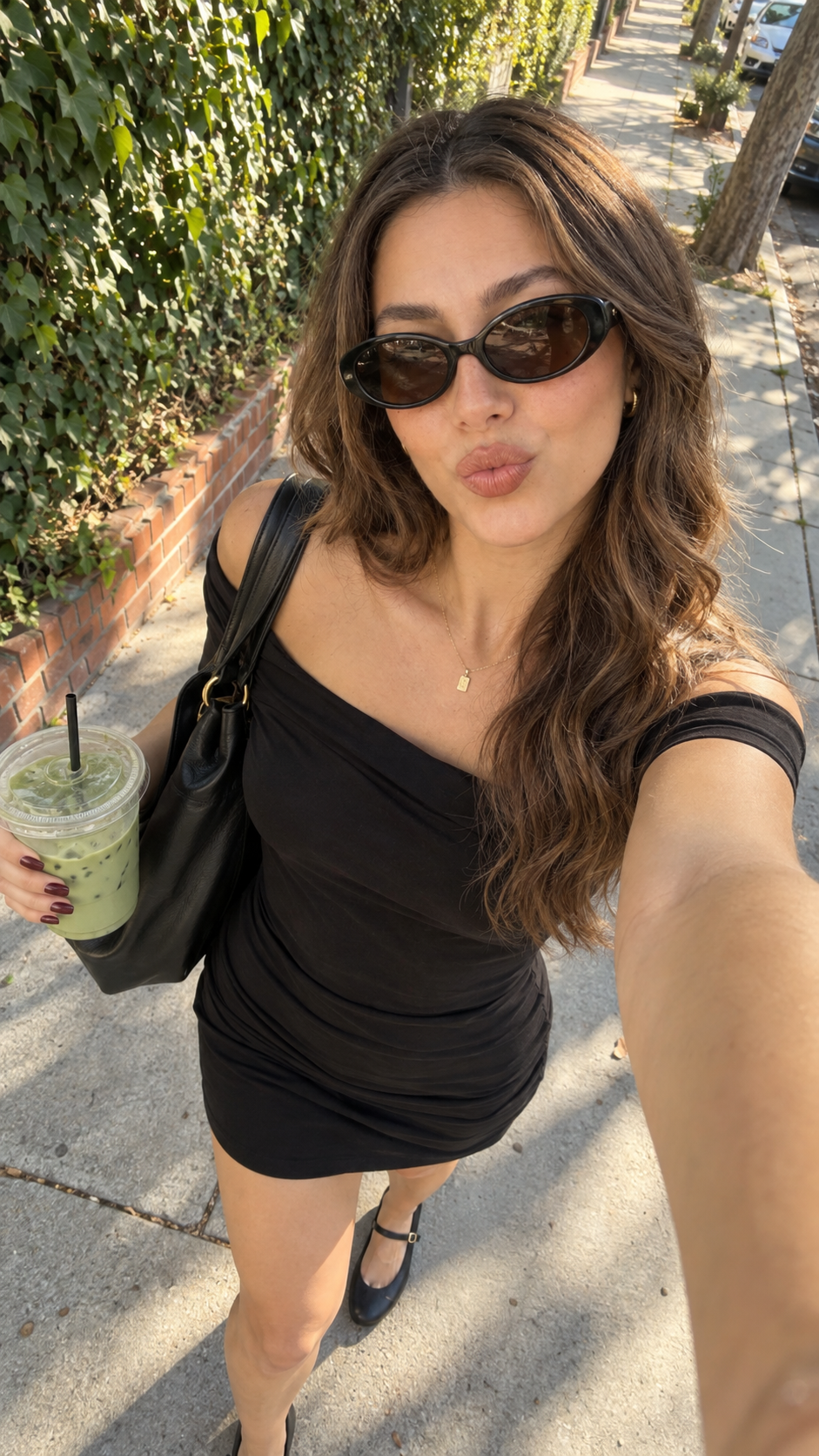
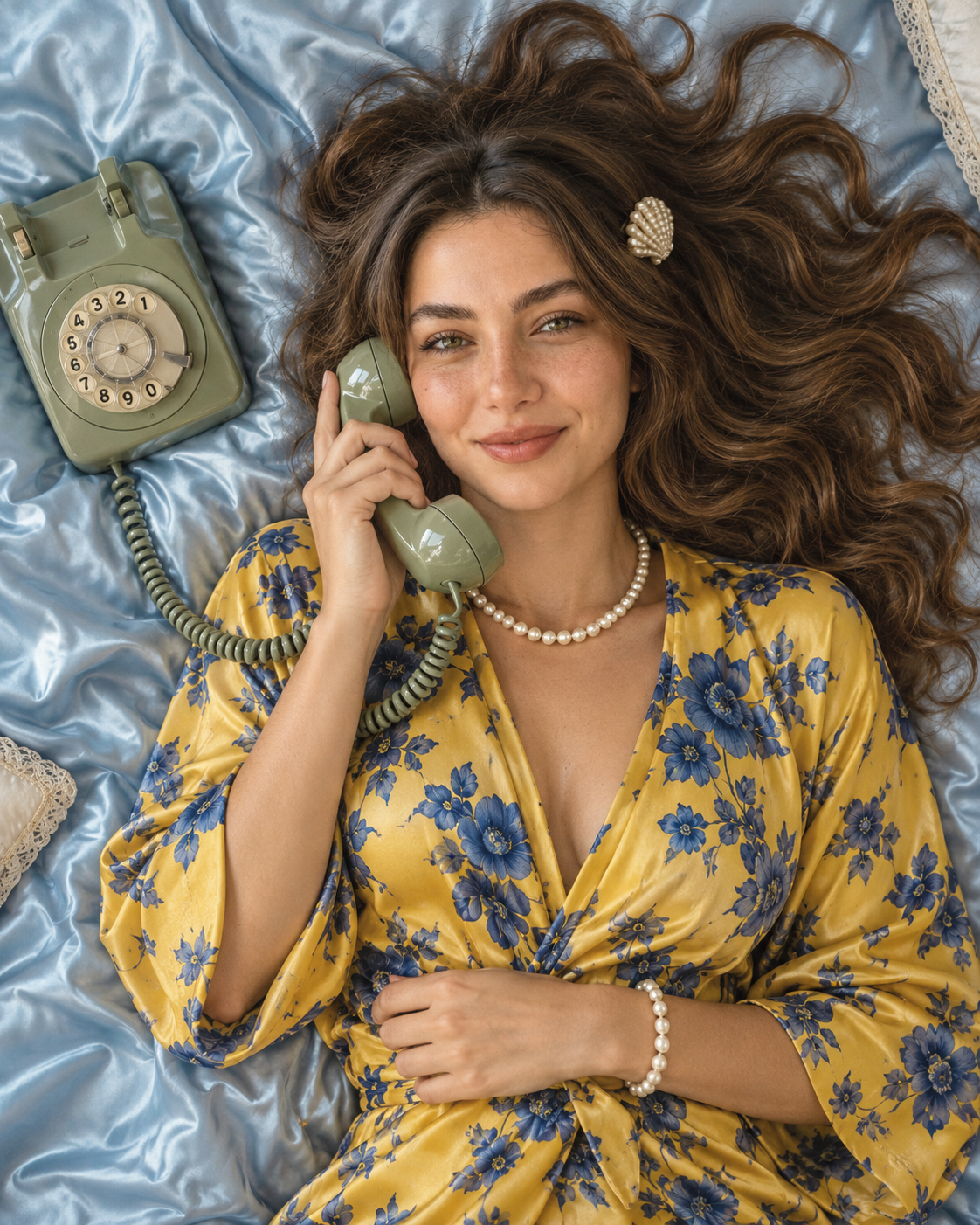
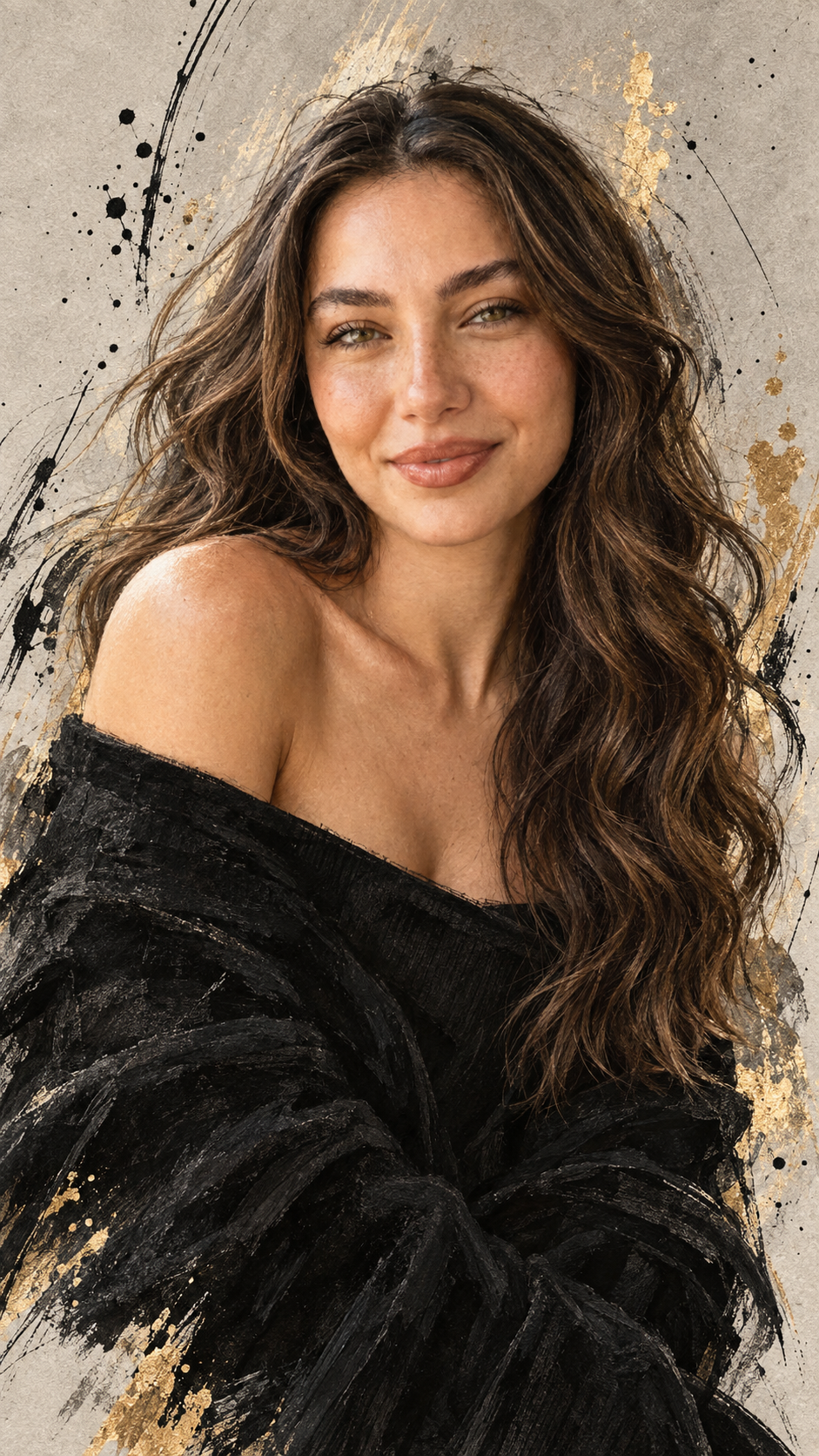
- The final result should feel like a newly photographed image of the same person in a late-1920s Art Deco gala setting.
Failures to check before publishing
- pasted face
- copied face pose
- frozen reference expression
- duplicated head angle
- mismatched gaze direction
- face-body mismatch
- inconsistent lighting
Why the editable controls matter
Gender
Required identity direction for the reference subject.
People count
Default is a single uploaded reference person.
Lighting
Changes Prompt.Style.Lighting without requiring a full prompt rewrite.
Background
Changes Prompt.Scene.Background without requiring a full prompt rewrite.
Mood
Changes Prompt.Style.Mood without requiring a full prompt rewrite.
Color palette
Changes Prompt.Style.Color Mood without requiring a full prompt rewrite.
Shot size
Changes Prompt.Composition.Shot Type without requiring a full prompt rewrite.
Identity or subject drift
Reduce competing style language, improve the reference, and separate stable traits from pose, gaze, and expression.
Composition breaks
Check whether crop, shot distance, aspect ratio, subject count, and required objects can all be satisfied in one frame.
Artificial lighting or texture
Name a motivated light source and believable material behavior before adding grain, grading, sharpness, or resolution terms.
 @cankirkgoz
Comments
Share the result you got, attach an image, and reply to other people's results.
You need to sign in to comment.